



Домой Блог
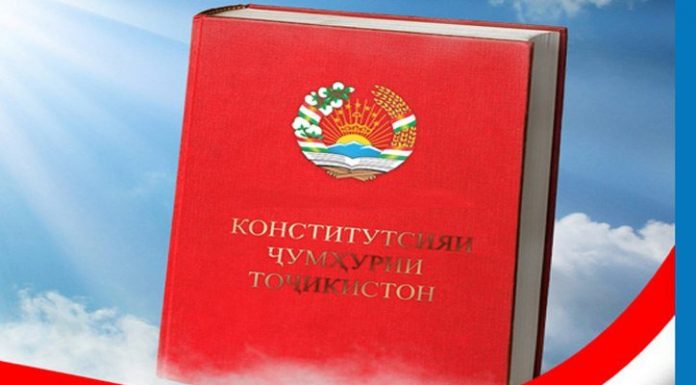
The Constitution is an important political and legal document that defines the foundation of statehood and social life. It clearly outlines the structure of government, the relationship between the state and citizens, as well as the rights and freedoms of the individual.
The history of the Constitution of Tajikistan is closely...
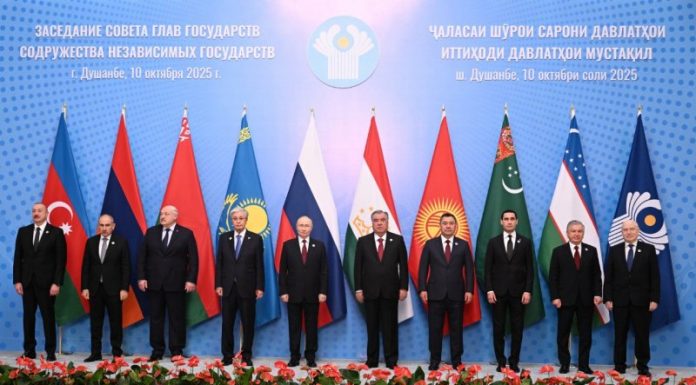
At the beginning of the 20th century, Central Asia was often viewed as a remote and isolated region, largely disconnected from global politics. Today, however, this geographical and cultural heart of Eurasia is rapidly transforming into an active participant in international affairs.
This shift is driven by several key factors: the...
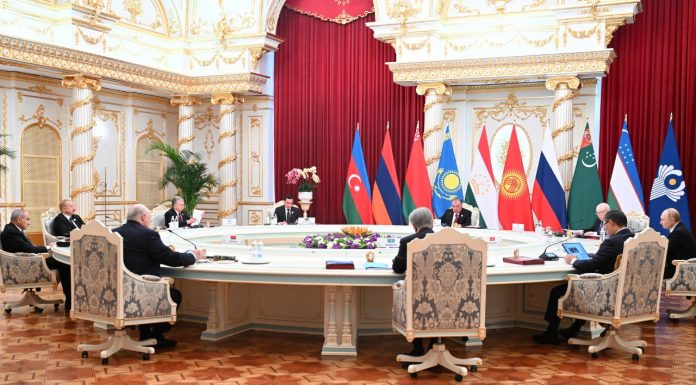
A little over a century ago, Central Asia remained on the periphery of global politics, largely isolated from international developments. Today, however, the region has become a key arena of geopolitical and geoeconomic interest. This transformation is driven by Central Asia's strategic location, vast natural resources, and emerging potential as a hub for connectivity and trade....

The Faculty of
International Relations was established in 2011 on the basis of the specialties
“International Relations” and “Regional Studies” of the Faculty of History. The
faculty trains highly qualified specialists in four main areas: international
relations, foreign policy and diplomacy, foreign regional studies, and
analytical-information activities in international relations.
Studies in the specialties
of international relations, diplomacy and foreign...
We are pleased to inform all current and prospective students enrolling in the General Medicine Program at Tajik National University that:
1. Tajik National University has been officially accredited by the World Federation for Medical Education (WFME) under License Number: 0003697.
2. Students at Tajik National University can apply for ECFMG...

Graduate employment is one of the main, important and pressing issues of every prestigious university, and this indicator determines the reputation and prestige of the university both domestically and internationally. The Tajik National University works seriously in this direction, striving to ensure that each of its graduates finds suitable jobs depending on their specialty. The issue of...
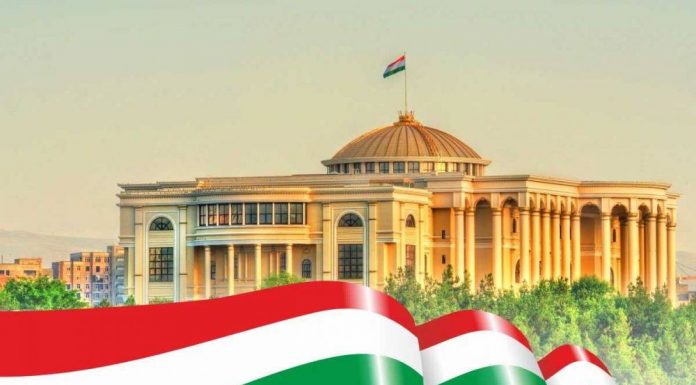
On June 27th, Tajikistan celebrates an important and symbolic holiday — National Unity Day. This day, which has become a state holiday, symbolizes not only the end of the civil war but also the beginning of a new era in the country's history, where peace, stability, and unity have become the main values.
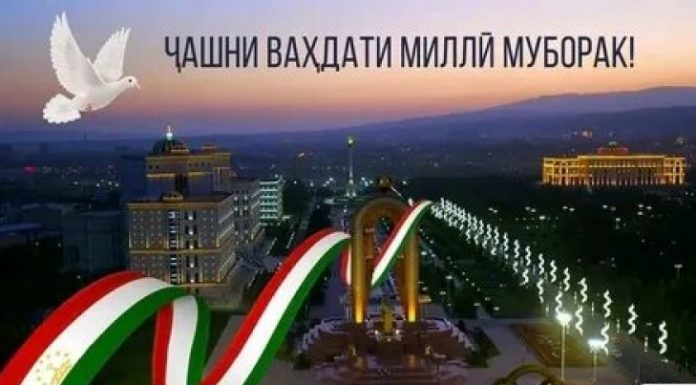
The Tajik peace experience stands as a rare and exemplary model of conflict resolution and socio-political coexistence in the post-Soviet era. Following independence in 1991, Tajikistan faced profound challenges in defining its political and social direction, which were exacerbated by the emergence of deep ideological and political divisions that led to a devastating civil war. The...
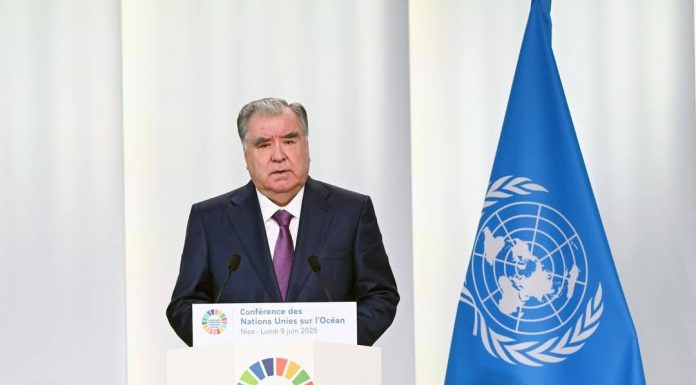
The initiative diplomacy of the Founder of Peace and National Unity, Leader of the Nation, President of the Republic of Tajikistan, Honorable Emomali Rahmon, is reflected in the extensive activities of the Head of State in the international arena and is considered the main indicator of the practical implementation of water diplomacy of the Republic of Tajikistan,...
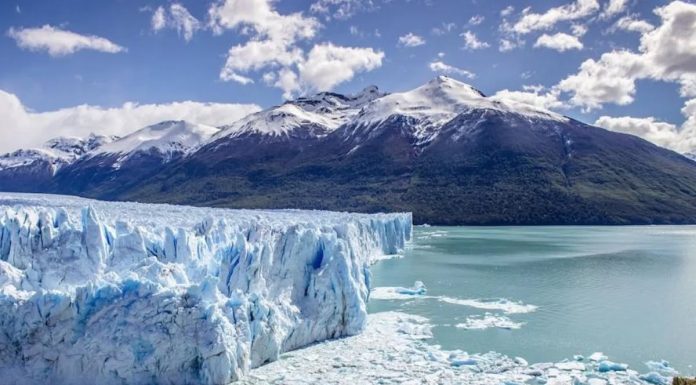
Tajikistan is a mountainous, landlocked country in Central Asia, home to the vast Pamir Mountains and an abundance of water resources, including glaciers and rivers. It holds significant freshwater reserves, largely fed by glacial melt and high-altitude precipitation. Water is a vital resource for Tajikistan’s economy, especially for hydropower, agriculture and regional stability. In international arena...